CAPABILITY
NEWS CENTER
APPLICATIONS
SOLUTIONS
SUPPORT
TOUCHPANEL BLOG
CONTACT US
Touch Module Procurement Guide: Avoid 3 Pitfalls & Why Taiwan Suppliers Lead
24 Dec. 2025
In an era where User Experience (UX) dictates success, whether your product becomes a market leader or falls behind often hinges on the quality of its touchscreen. Whether you are building an Industrial PC (IPC) designed to operate under harsh conditions or a futuristic digital cockpit, the quality of the touch module is no longer just about a component—it directly defines your product’s value and market positioning.
But here comes the challenge. The supplier landscape is vast—from factories competing on ultra-low prices to international giants claiming cutting-edge technology. How should you choose? How can you ensure the partner in front of you will ultimately become a true asset to your business rather than a heavy burden that slows down your development timeline?
This guide takes you from macro market trends into core technical details. We analyze how to accurately evaluate a supplier’s quality, pricing, technical support, and customization capability. By the end, you’ll be confident in selecting the most suitable touch module supplier and laying the most solid foundation for your product’s success.
Touch modules are no longer exclusive to consumer electronics. Their influence is rapidly penetrating every industry. Ignoring this trend is equivalent to handing market opportunities to competitors.
In the fiercely competitive smartphone and tablet market, user demands for responsiveness and resolution have reached unprecedented levels. Counterpoint Research predicts that by 2025, over 95% of global smartphones will feature high-resolution touchscreens. This means seamless multi-touch support and robust anti-interference capability have shifted from value-added features to the fundamental basis for entry.
In factories filled with dust, high temperature, and humidity, Human-Machine Interfaces (HMI) must operate stably 24/7 without fail. According to Technavio, driven by strong demand for industrial automation and smart manufacturing, the Industrial Touch Module market is expected to achieve a Compound Annual Growth Rate (CAGR) of 8.2% over the next five years. In this sector, stability is the sole imperative.
Center stack displays have become standard in new vehicles, but they face challenges far more rigorous than expected. They must maintain high accuracy despite continuous driving vibration and possess exceptional durability. MarketsandMarkets reports that the global automotive touch display market reached $14 billion in 2024 and is projected to exceed $25 billion by 2030. This staggering growth curve highlights the urgent industry need for high-quality, reliable touch modules.
From smart control panels at home to POS systems and interactive kiosks in commercial settings, these interfaces require extreme intuitiveness, speed, and durability to handle thousands of interactions daily. Data from Statista shows the global smart home market growing at 10.3% annually, with the touch module serving as the critical hub connecting this intelligent experience.

These data points clearly indicate a future:
The global touch module market size is steadily expanding at a CAGR of approximately 7%, projected to reach $35 billion by 2030. In this global technological revolution, Taiwanese suppliers play an indispensable role, accounting for roughly a quarter of the global output value.
Choosing a truly reliable supplier gives you a head start in this race
When global buyers seek top-tier touch modules, Taiwan remains an essential part of the global supply chain. This is no accident. With decades of accumulated expertise, a robust supply chain, leading technological R&D, and highly specialized manufacturing capabilities, Taiwan holds a pivotal position in the global market. Choosing a Taiwanese supplier often means selecting stable quality, innovative technology, and a trustworthy long-term partner.
Taiwanese suppliers consistently lead the market in core touch module technology. They provide mature and diverse solutions—whether it’s mainstream Projected Capacitive Technology (PCAP) or high anti-interference Resistive Touch (RTP), along with Optical Bonding to enhance display performance and durability, or complex Anti-Electromagnetic Interference (Anti-EMI) design—they can deliver mature and diversified solutions.
Yield Rate and Precision: Through highly automated processes, top Taiwanese suppliers generally achieve yield rates exceeding 98%, ensuring quality stability during mass production.
Anti-Interference Capabilit :Taiwanese touch modules can operate reliably in high-EMI environments—an indispensable capability for stability-critical Industrial PCs and in-vehicle applications.
Leading Taiwanese suppliers understand that standard products cannot satisfy all market needs. One of their core strengths is offering highly customized solutions. Whether your product requires the slim design of smart home devices, the ultra-durability of automotive electronics, or the specific size and strong anti-interference capability of industrial equipment, they act as technical consultants, collaborating closely with your R&D team to precisely engineer the optimal product.
For example, certain Taiwanese suppliers have successfully designed reinforced-structure touch modules for tier-one international automotive brands, specifically engineered for high-vibration environments, significantly extending product lifespan and driving stability.
Taiwan’s manufacturing sector is globally renowned for world-class production equipment and rigorous quality management systems. Most suppliers’ products not only pass ISO 9001 (Quality Management) ISO 14001 (Environmental Management), but also comply with EU standards such as RoHS (Restriction of Hazardous Substances) and REACH (Registration, Evaluation, Authorisation and Restriction of Chemicals)—your passport to global markets. More importantly, through smart manufacturing and lean production management, they can effectively shorten the cycle from order to shipment, ensuring your project stays on schedule and is not delayed by supply chain issues.
When you begin evaluating suppliers, it’s easy to be overwhelmed by a dense list of technical specifications. Remember: the value of a high-quality touch module extends far beyond resolution and size. It delivers an exceptionally smooth operating experience and the resilience to withstand both expected and unexpected harsh challenges.
Here are the “non-paper” values you must examine—the factors that truly determine product success:
A superior touch module relies on highly precise sensor circuitry design and powerful controller IC algorithms. High-quality suppliers continuously optimize their touch firmware to ensure seamless fluidity during complex operations such as multi-touch gestures and rapid swipes, responding instantly to every user command. This is about deep hardware-software integration—not simple hardware stacking.
Especially in industrial, outdoor, or public applications, touch modules must withstand prolonged abrasion, impact, and extreme environmental conditions. Truly professional suppliers will recommend high-strength chemically strengthened glass (such as high-aluminosilicate glass) and pair it with optical coatings like Anti-Reflective (AR), Anti-Glare (AG), or Anti-Fingerprint (AF). This not only significantly enhances surface durability but also ensures the screen remains clearly readable under various lighting conditions.
Whether next to factory motors, near precision medical instruments, or while driving, the touch module must operate stably in complex electromagnetic environments. High-quality suppliers adopt advanced shielding design and signal processing techniques to ensure touch accuracy. Furthermore, they optimize for specific applications, ensuring precise operation even when the user is wearing thick gloves or when water droplets are present on the screen.
Optical Bonding is the process of fully laminating the touch panel and the display screen. It significantly enhances the screen’s visual performance and substantially increases structural strength. Top suppliers use cleanroom environments and precision bonding equipment to eliminate the air gap, thereby reducing light reflection and improving contrast and outdoor visibility. Simultaneously, it effectively prevents dust and moisture ingress, which is crucial for the long-term reliability of outdoor or industrial equipment.
Everyone wants a good price—understandably so. But in the touch module world, where quality aligns with cost, the cheapest option often becomes the most expensive lesson later.
Consider this: if a supplier offers a quote far below market rate, you should feel wary, not thrilled. These costs are usually hidden in details you cannot see:
Material Degradation
Using substandard glass substrates, ITO conductive film, or unknown controller ICs. While the difference may not be apparent immediately, product lifespan, stability, and touch experience will deteriorate within months, leading to massive customer complaints and maintenance costs.
Process Simplification
Skipping critical reliability tests (such as high temperature/high humidity or thermal shock) or quality control steps to save time and labor. This causes unstable yield rates, with severe defects often surfacing only after your product reaches the customer.
Unstable Supply Chain
Ultra-low pricing might come from excessive pressure on upstream suppliers. If raw material prices fluctuate or capacity tightens, your orders could face indefinite delays or stock-outs, completely disrupting your production schedule.
Therefore, pursue not the lowest sticker price, but the highest value across the entire product lifecycle.
Evaluating value requires a broader view—Total Cost of Ownership (TCO)
Beyond the procurement price, you must factor in the following costs:
A good supplier provides timely technical support, saving significant R&D and debugging time. Conversely, a poor partner can turn your project timeline into an endless black hole.
Returns, repairs, and replacements caused by poor product quality will constantly erode your profit margin.
The negative impact on your brand caused by product quality issues is often immeasurable in monetary terms.
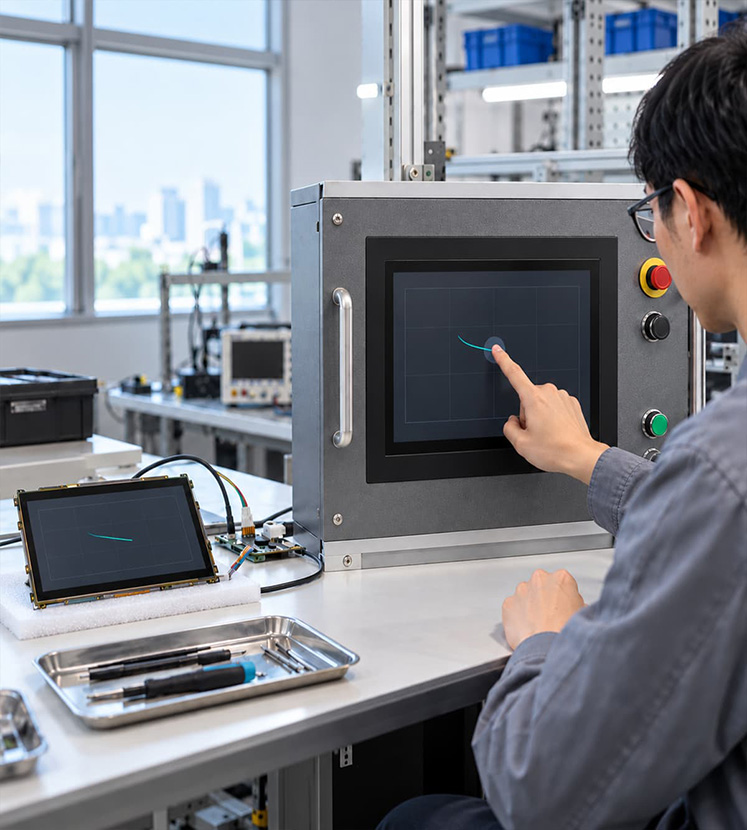
Action item: Demand samples from potential suppliers and subject them to stress tests in your most critical application scenarios. The linearity of multi-touch, anti-interference capability, and responsiveness under extreme temperatures and humidity must be personally verified to make the most informed decision.
In touch module procurement decisions, the importance of technical support and after-sales service is absolutely equal to the product itself. It directly determines your product development cycle, final performance, and overall project risk management.
Excellent technical support is not about passively putting out fires after a problem occurs; it is proactively becoming your technical partner from the initial product design stage. They dive deep into your application environment, mechanical design, and system requirements, recommend the best solution, and help you avoid known technical pitfalls early on. This is the biggest difference between a top-tier supplier and an ordinary factory.
Market demands are increasingly diverse; not every company needs tens of thousands of standard units. Especially for startups or developers focused on niche markets, flexible, customizable, small-batch solutions are essential.
Risk Reduction: For startups or small projects, small-batch ordering significantly reduces initial capital outlay and inventory pressure, keeping your cash flow healthy.
Market Validation: It allows you to quickly launch products to market at a lower cost, validate market response, and flexibly adjust product strategies based on feedback.
Higgstec with deep market experience, understands the pain points of businesses of all sizes and offers highly flexible services. For instance, a smart retail equipment developer initially required only a few hundred specialized touch modules. Higgstec not only supported the requested volume flexibly but also customized an IP65-rated water-resistant module with unique dimensions tailored to the self-service terminal’s mechanical design, delivering samples in just four weeks. This agile service successfully helped the client accelerate time-to-market by at least one quarter.
Selecting a touch module supplier is a strategic decision critical to your product’s success. You need more than just a component vendor; you need a technical partner who can grow with you and co-create value.
Technical Capability
Quality Assurance
Cost Efficiency (TCO)
Service & Support
By comprehensively evaluating all aspects, suppliers like Higgstec—who achieve an excellent balance in technology, quality, cost efficiency, and service—are ideal partners for professional clients in industrial, commercial, and medical sectors, thanks to flexible customization and strong technical backing.
Finally, an outstanding supplier not only meets your current needs but also anticipates future trends, helping you prepare for the next generation of products.
Flexible touch is unlocking new design possibilities for wearables and mobile devices.
From smart windows to automotive Head-Up Displays (HUDs), transparent touch is creating new application scenarios.
Future touch interfaces will use AI algorithms to learn user habits, delivering more intelligent and personalized interactions.
Choosing a partner that continuously invests in R&D for these forward-looking technologies ensures your products maintain a competitive edge. Finding the right partner to make your product stand out is no longer just a slogan.
2024-2030
Maturity Legend
Touch modules are not merely components; they are the core of the User Experience (UX), directly influencing a product’s value and market positioning. They are fundamental technology cornerstones in consumer electronics, industrial equipment, automotive electronics, and smart homes.
Taiwan suppliers offer a strategic advantage through a complete industrial cluster, world-class R&D, and exceptional manufacturing precision. Leading Taiwan touch module manufacturers like Higgstec provide high-yield products (over 98%), superior anti-interference designs, and flexible customization. Furthermore, they ensure full compliance with international standards such as ISO 9001, ISO 14001, RoHS, and REACH, mitigating long-term project risks.
Low-cost suppliers often cut corners via material degradation, process simplification, or unstable supply chains, leading to shorter product lifespan, frequent quality issues, and brand reputation damage. Focus must be placed on the Total Cost of Ownership (TCO) rather than just the unit price.
Top-tier suppliers provide deep technical support during the design phase, helping clients avoid technical pitfalls and quickly resolving issues. This is crucial for shortening the development cycle and enhancing product performance.
Higgstec: Your Expert Taiwan Partner for Custom Touch Modules
Get a Free Technical Consultation & TCO Analysis
Accelerate Your Project with Taiwan’s Leading Touch Engineering

10 Sep. 2025

15 Oct. 2025

27 Aug. 2025

11 Mar. 2026

20 May. 2026

30 Jun. 2026

24 Aug. 2026

04 Sep. 2026
07 Oct. 2026
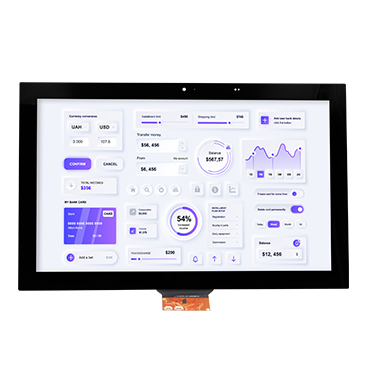
Out Line Dimension , L * W * H (mm)
189.35 * 121.77 *4.83 mm
Out Line Dimension , L * W * H (mm)
244.66 * 163.3 * 8.53 mm
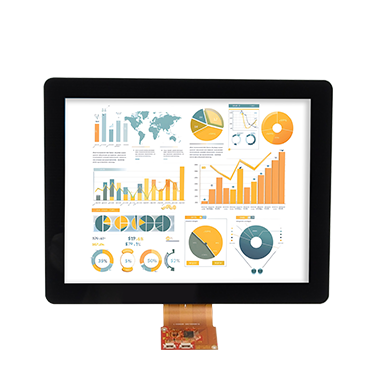
Out Line Dimension , L * W * H (mm)
240.6 * 187.8 * 10.73 mm
Out Line Dimension , L * W * H (mm)
291.92 * 194.00 * 12.72 mm
Out Line Dimension , L * W * H (mm)
339.53 * 263.5 * 11.28 mm
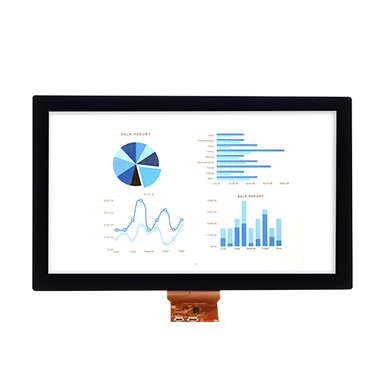
Out Line Dimension , L * W * H (mm)
376.54 * 225.9 * 11.8 mm
Out Line Dimension , L * W * H (mm)
444 * 264.6 * 14.73 mm
Out Line Dimension , L * W * H (mm)
511.45 * 302.92 * 13.43 mm
EXPLORE PRODUCTS
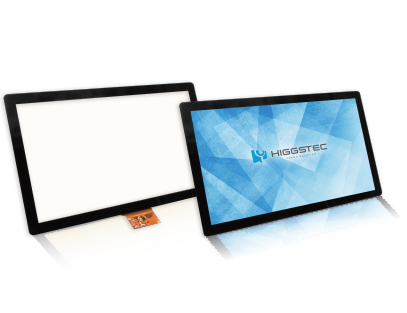
Higgstec's projected capacitive touch panels deliver smooth and stable touch performance. Additionally, with excellent electromagnetic compatibility, water resistance, sunlight readability, and other advanced specifications, they are ideal for use in various demanding environments, including industrial, rugged, medical, automotive, and marine industries.
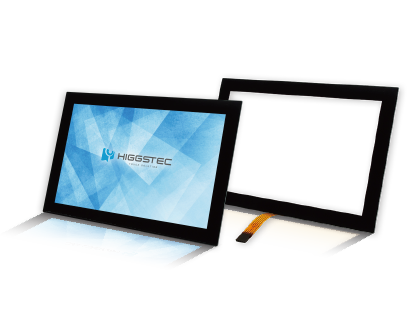
Higgstec's 5-wire resistive touch panels offer exceptional reliability and outstanding linear performance using a unique high-temperature manufacturing process. Built on standard 5-wire resistive technology, we also provide customized touch solutions tailored to meet the specific needs of our clients. These highly specialized products are designed to fulfill the requirements of diverse application scenarios, achieving optimal performance.
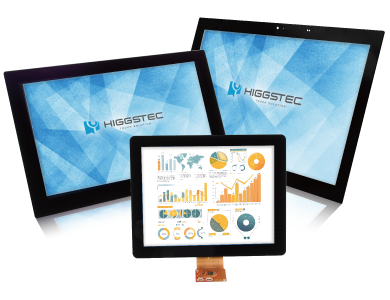
Integrating 5-wire resistive and projected capacitive touch panels, Higgstec extends its commitment to product quality and technological innovation to touch display modules. To meet the diverse specifications required in various industrial control fields, we provide tailored touch solutions to help clients enhance the added value of their products.