CAPABILITY
NEWS CENTER
APPLICATIONS
SOLUTIONS
SUPPORT
TOUCHPANEL BLOG
CONTACT US
Six Major Challenges for Industrial Touchscreens and Optical Bonding Solutions: Enhancing Durability and Readability
01 Oct. 2025
In the wake of Industry 4.0 and smart manufacturing, touch-enabled display technology has become a core engine across various industries. From precision machine control to military command systems, these touchscreens enhance efficiency, ensure safety, and optimize user experience. However, they face stringent challenges: extreme temperatures, high humidity, dust, oil, vibration, shock, and strong glare. Traditional touchscreens often fail in these environments, leading to blurred displays, unresponsive touch, fragile structures, and susceptibility to contamination, directly hindering production and potentially causing accidents.
As experts in touchscreen manufacturing, we deeply understand these pain points and overcome bottlenecks through innovative solutions. This article focuses on the six core challenges facing industrial displays and analyzes how Optical Bonding technology revolutionizes the landscape. This technology not only boosts performance and reliability but also ensures stable operation in any harsh environment, enabling seamless task completion.Our goal is simple: to make your equipment more powerful and reliable.
Industrial environments are complex and dynamic, requiring displays to withstand countless tests. Through close collaboration with our clients, we've identified six key pain points, providing a clear understanding of the issues at hand.
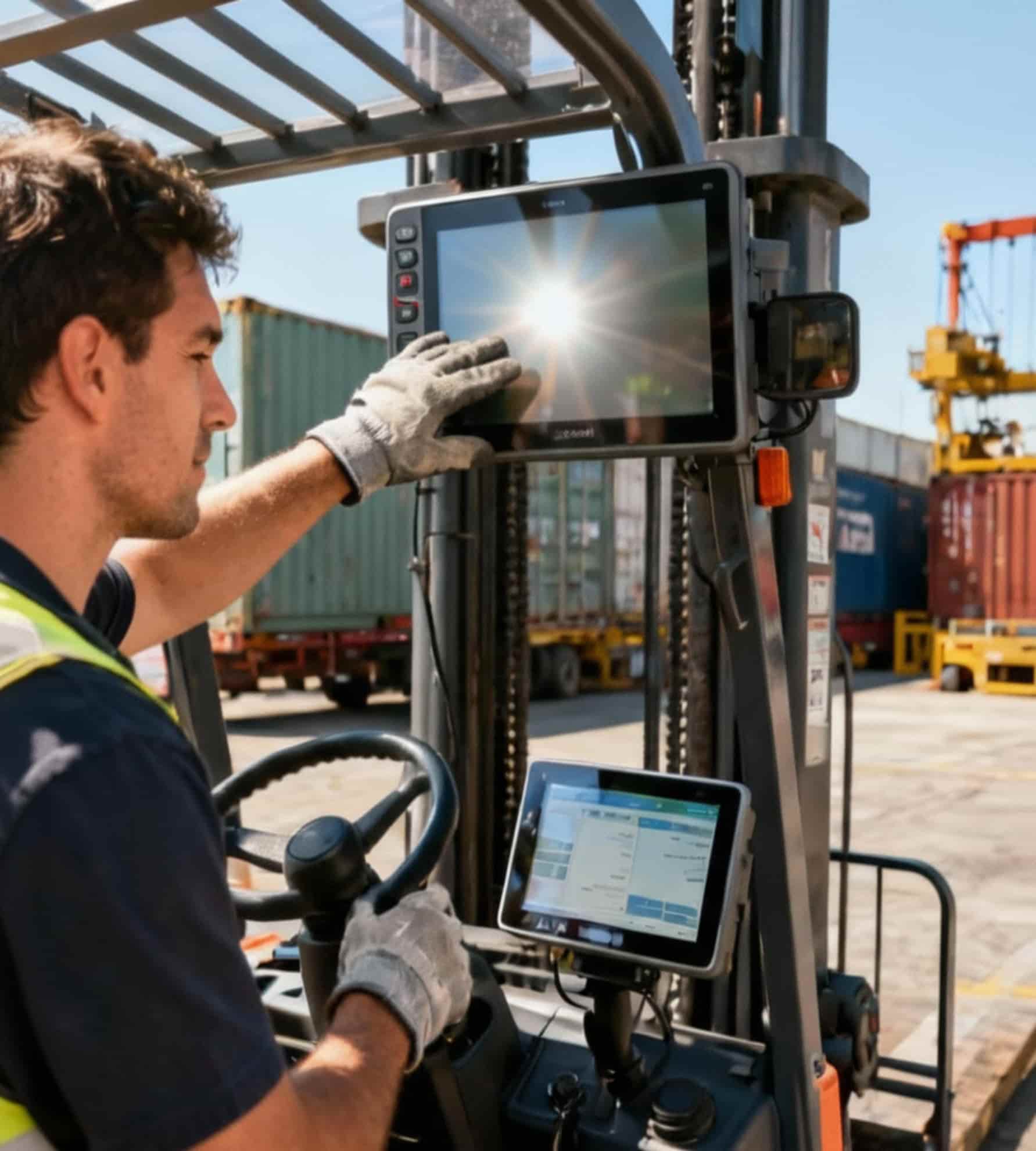
Outdoor applications such as forklift displays, agricultural machinery panels, or traffic information displays are often exposed to direct sunlight. Traditional displays suffer from multiple light reflections due to an internal air gap, creating mirror-like glare that results in a “washed-out” and blurred screen. Operators often have to squint or shield the screen, significantly reducing efficiency and potentially leading to accidents due to misjudgment. Ensuring clear readability in sunlight is a primary challenge.
➡︎ Deep Dive: Anti-Glare Technology Trends – How Sunlight-Readable Displays Ensure Reliable Outdoor Equipment Performance
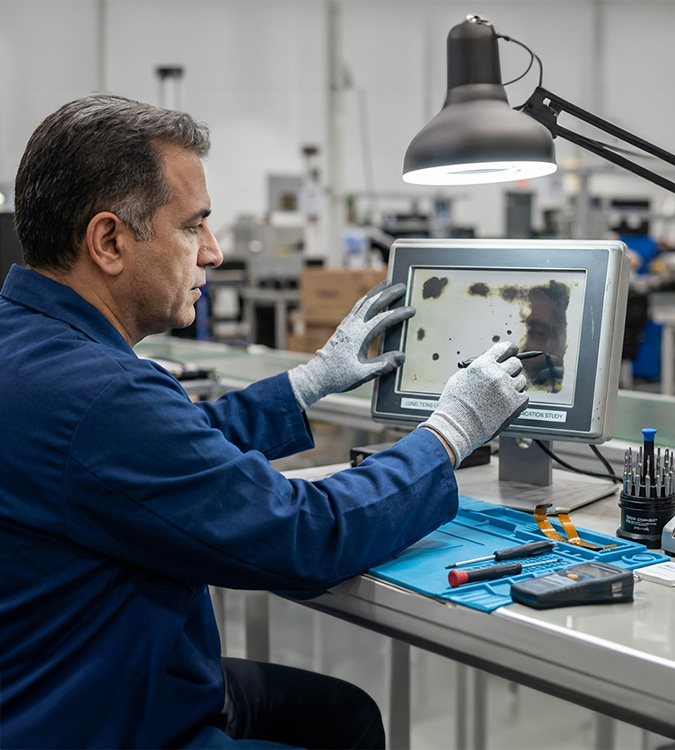
On production lines, operators frequently wear thick gloves. Traditional displays, with their air gaps, create a parallax effect, causing a discrepancy between the touch point and the visual point, leading to unresponsiveness. Unstable structures are prone to deformation under pressure. Glove operation becomes even more sluggish, impacting precision and increasing the risk of errors at critical moments.
Industrial sites are rife with vibration, shock, and potential drops. Traditional “bezel-bonded” structures, which leave an air gap, make the glass fragile and prone to shattering, with flying shards posing an injury risk. They often lack scratch, splash, and corrosion resistance. For rugged military tablets or medical displays, this presents a significant safety hazard.
Modern equipment demands slim and integrated designs, such as handheld tablets or in-vehicle displays. Traditional multi-layer structures and air gaps add thickness and weight, making miniaturization difficult. Clients often face design roadblocks. Achieving lightweighting without sacrificing durability is a major challenge.
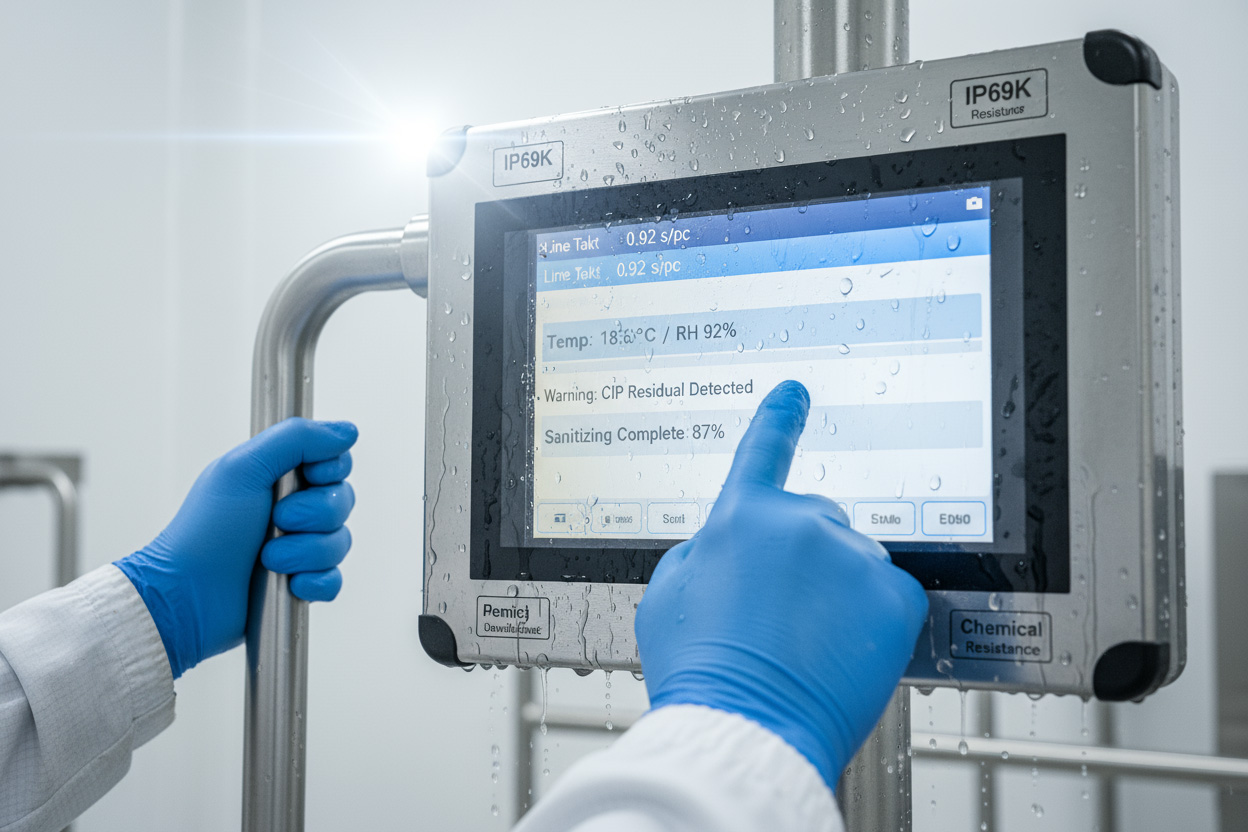
Dust, moisture, and oil are ubiquitous in environments like chemical plants or outdoor stations. The traditional air gap becomes a breeding ground for contaminants, leading to spots, short circuits, or failures. Under humid conditions, fogging can occur, distorting the display. Dust and moisture protection are crucial for maintaining lifespan.
During long operating shifts, ambient light creates glare, distracting attention and causing eye strain and headaches. Traditional displays suffer from severe reflection, reducing visibility and increasing error rates. Improving visual comfort is paramount.
| Pain Point / Analysis | Specific Issue | Impact / Consequence | Application Scenarios |
|---|---|---|---|
| Outdoor Sunlight Readability | Internal air gap causes multiple light reflections, creating mirror-like glare | Display becomes “washed-out” and blurred; operators squint or shield the screen, reducing efficiency and increasing accident risk | Forklifts, agricultural machinery panels, traffic information displays |
| Insufficient Touch Accuracy | Air gap creates parallax effect; mismatch between touch point and visual point | Glove operation is slow and unresponsive; prone to errors at critical moments | Production line operations, precision machine control |
| Durability & Safety | “Bezel-bonded” structure leaves an air gap; glass is prone to breakage | Shattering shards may cause injury; lacks shock and scratch resistance | Military tablets, medical displays |
| Lightweighting Limitations | Traditional multi-layer structure and air gap add thickness and weight | Slim design is difficult, affecting product integration | Handheld tablets, in-vehicle displays |
| Environmental Contamination | Air gap becomes a breeding ground for contaminants | Dust and moisture cause spots, short circuits, or failure | Chemical plants, outdoor stations |
| Glare & Visual Fatigue | Ambient light creates glare; severe reflection | Distracts attention; causes eye strain; increases error rates | Long-duration operating environments |
Traditional displays are outdated and can no longer keep pace with modern demands. Optical Bonding technology fundamentally addresses structural weaknesses, leading to a significant leap in performance.
The core principle involves filling the air gap between the touchscreen and the LCD with a special optical adhesive, tightly bonding the two components. The adhesive’s refractive index matches that of the glass, eliminating reflections and light loss. This is precise optical matching that ensures smooth light transmission and enhances overall performance.
Enhanced Sunlight Readability: Say Goodbye to Glare
The absence of an air gap reduces reflections, delivering high contrast and clarity. Even under direct sunlight, content remains perfectly legible. Ideal for outdoor KIOSKs or military vehicles, boosting efficiency and safety.
Optimized Touch Experience: Precise and Lag-Free
Eliminates parallax, ensuring sensitivity even with gloves. The structure is robust, responses are smooth, resolving unresponsiveness issues.
The adhesive provides cushioning, improving shock and impact resistance. If the glass breaks, shards do not scatter—perfect for military or medical applications.
Supports thinner glass, reducing weight and volume. Helps you design slim embedded panels to meet integration needs.
The sealed structure blocks contaminants, prevents fogging and corrosion. Ensures long-term stability and extends lifespan.
Outdoor KIOSKs: Clear display in sunlight attracts customers and enhances user experience.
Marine navigation: Precise operation in humid and bright conditions ensures safe navigation.
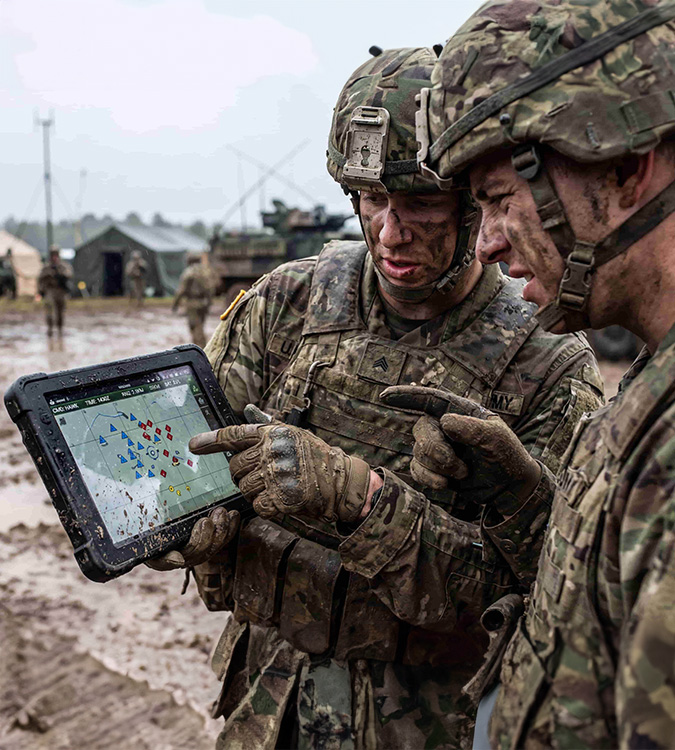
Military tablets: Highly readable and drop-resistant in the field, supporting real-time decision-making.
Medical equipment: Parallax-free images improve diagnostic accuracy.
Factory HMI: Stable operation amidst vibration and dust, reducing downtime.
Traffic control consoles: Reliable display ensures transportation safety.
| Aspect of Solution | Traditional Display | Optical Bonding Technology | Improvement Effect |
|---|---|---|---|
| Sunlight Readability | Multiple reflections; blurred display | No air gap reduces reflections; high contrast and clarity | Content clearly visible in direct sunlight |
| Touch Accuracy | Parallax effect; sluggish operation | Eliminates parallax; robust structure | Sensitive and precise even with gloves |
| Durability & Safety | Glass is fragile; shards may scatter | Adhesive provides cushioning; shards do not scatter | Shock and impact resistant; safe and reliable |
| Lightweight Design | Multi-layer structure is thick and heavy | Allows the use of thinner glass | Reduces weight and optimizes space |
| Dust & Moisture Protection | Air gap prone to contamination | Sealed structure blocks contaminants | Anti-fog and anti-corrosion; extends lifespan |
| Visual Comfort | Severe glare and reflection | Reduces reflection and light loss | Lowers visual fatigue |
These case studies demonstrate that optical bonding not only enhances performance but also directly addresses pain points, reduces costs, and extends product lifespan. As touchscreen experts, Higgstec is your ideal partner, providing customized solutions and end-to-end support from design to after-sales service.
| Technical Capabilities | Service Scope | Quality Assurance |
|---|---|---|
| • High-temperature process technology • Optical Bonding technology • TDM solutions • Projected capacitive touch (PCAP) |
• Customized design • ODM/OEM services • End-to-end support • Comprehensive integration |
• ISO certified system • Commitment to quality • Continuous innovation & R&D • Professional technical team |
It eliminates the internal air gap, reducing reflections and increasing contrast, making the display clearly visible in direct sunlight.
Optical Bonding eliminates the parallax effect caused by air gaps, perfectly aligning the touch point with the visual point. Even when operating with gloves, touch remains sensitive and precise.
The optical adhesive provides cushioning, significantly boosting shock and impact resistance. Even if the glass breaks, shards will not scatter, ensuring user safety.
Optical Bonding allows for the use of thinner glass materials, reducing the display’s thickness and weight while maintaining structural integrity. This enables slimmer designs, ideal for applications requiring space integration, such as handheld tablets or in-vehicle displays.
Optical Bonding technology creates a sealed structure that blocks the ingress of dust, moisture, and oil, preventing contaminants from causing short circuits or display distortion. This effectively extends the display’s lifespan.
Have Unique Application Requirements?
17 Sep. 2025
28 Oct. 2025

12 Nov. 2025
10 Dec. 2025
04 Feb. 2026
06 May. 2026
22 Sep. 2026
Out Line Dimension , L * W * H (mm)
562.98 *332.4* 3.1 mm
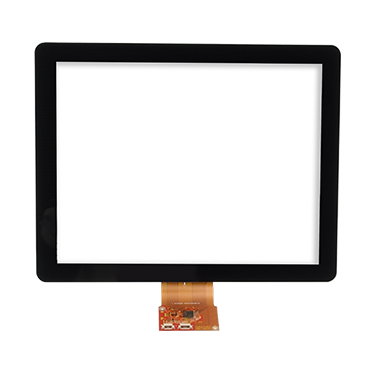
Out Line Dimension , L * W * H (mm)
339.53 * 263.5 * 2.23 mm
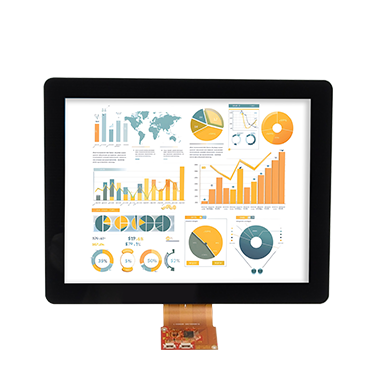
Out Line Dimension , L * W * H (mm)
339.53 * 263.5 * 11.28 mm
EXPLORE PRODUCTS
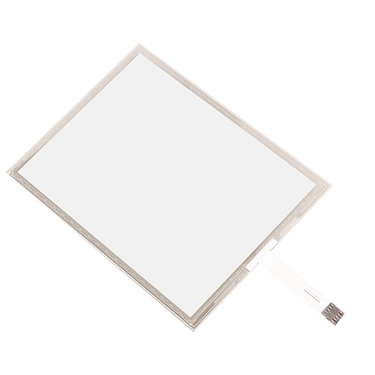
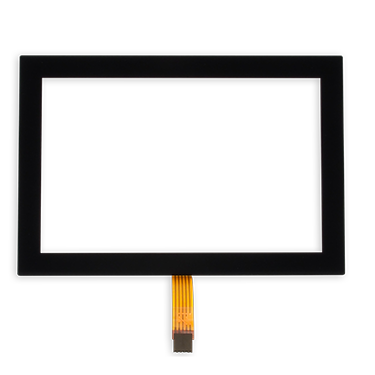
Higgstec's projected capacitive touch panels deliver smooth and stable touch performance. Additionally, with excellent electromagnetic compatibility, water resistance, sunlight readability, and other advanced specifications, they are ideal for use in various demanding environments, including industrial, rugged, medical, automotive, and marine industries.
Higgstec's 5-wire resistive touch panels offer exceptional reliability and outstanding linear performance using a unique high-temperature manufacturing process. Built on standard 5-wire resistive technology, we also provide customized touch solutions tailored to meet the specific needs of our clients. These highly specialized products are designed to fulfill the requirements of diverse application scenarios, achieving optimal performance.
Integrating 5-wire resistive and projected capacitive touch panels, Higgstec extends its commitment to product quality and technological innovation to touch display modules. To meet the diverse specifications required in various industrial control fields, we provide tailored touch solutions to help clients enhance the added value of their products.